Trading is the reason Auroria feels like a frontier rather than a theme park. The store page promises "thrilling trading runs" and territories "fraught with peril", and the pitch is that you will fight alongside comrades to defend your trade routes. In the launch build, that means moving goods across open regions where the danger is monsters, terrain and other players in PvP channels.
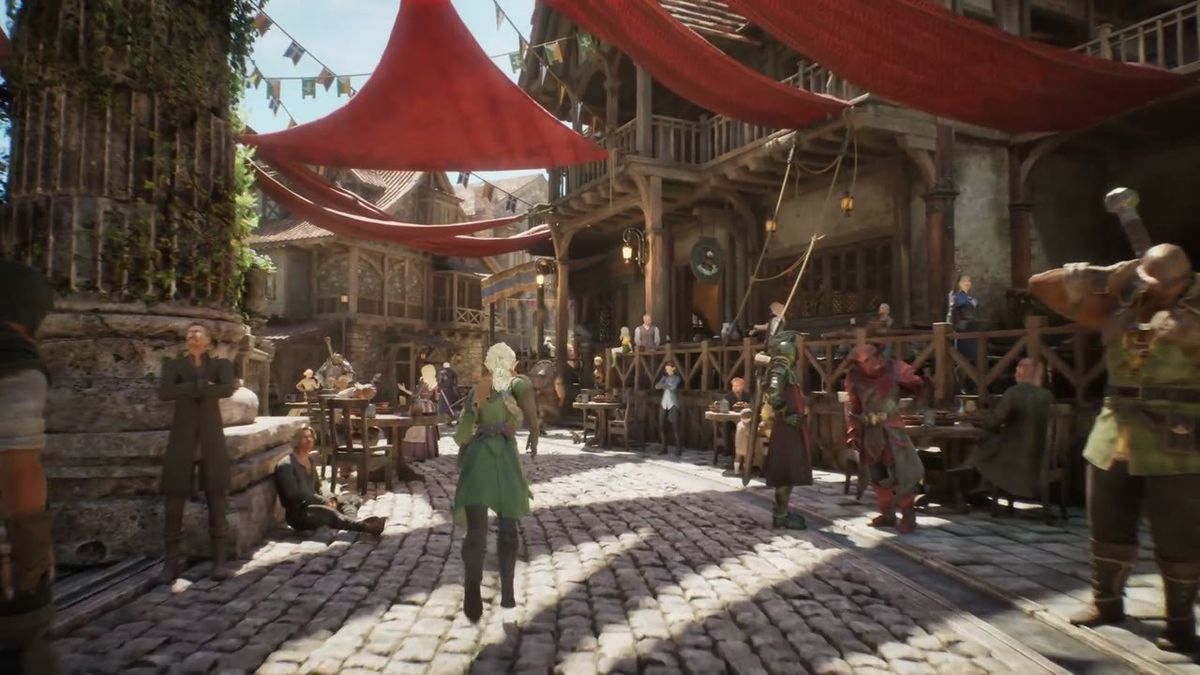
What trading is in the launch build
Three pieces exist at Early Access:
Gathering and crafting. Materials become goods, and goods become money. The player market is where the conversion happens.
Trade runs. Carrying goods between settlements and regions. This is the activity the marketing leans on, and it is the one that makes the map matter.
Company and guild activities. Group play around shared goals, including defending routes against the things that want to take them.
What is planned, not shipped
XLGAMES has described wanting trade runs that pass through PvP channels, and guilds fighting to take and hold trade posts. The studio has been explicit that this is early planning and not a promise. Treat PvP trade conflict as the direction of travel, not as a launch feature.
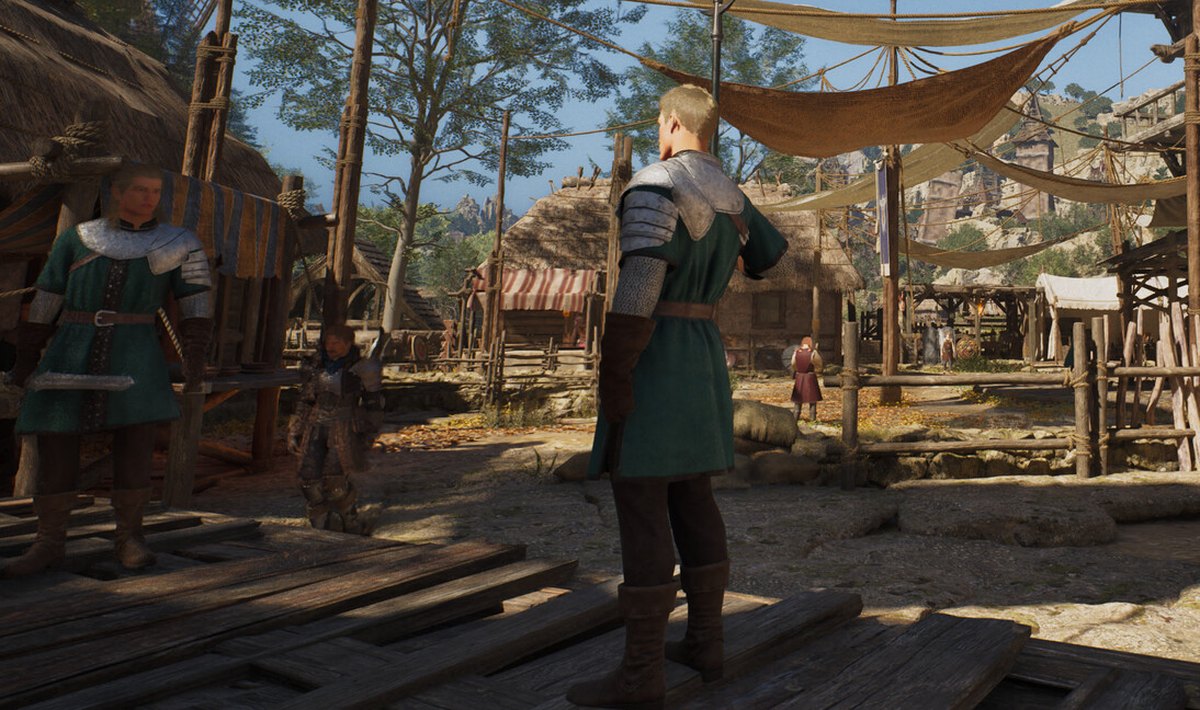
The economics of a run
A trade run is a bet: you carry value across distance, and the risk is what makes the margin. The variables that decide whether a run is worth it are the same in any trading game.
| Variable | Why it matters | What to do |
|---|---|---|
| Cargo value | A full load lost hurts more than a cheap one | Start with cheap cargo until you know the route |
| Distance | Longer routes usually pay more, and expose you longer | Learn one route before optimising it |
| Channel type | Standard channels have no open PvP, PvP channels do | Choose the risk you can handle |
| Time of day | Population changes the danger on a route | Run contested routes when your company is online |
| Demand | Prices move with what other players are doing | Sell into a shortage, not into a glut |
The last row is where crafting and trading meet. If everyone is crafting the same thing, the margin disappears. The players who make money are the ones who notice what the market is short of before it is short.
Crafting for a market, not for yourself
Crafting your own gear is satisfying and usually inefficient. Crafting for other players is where the money is.
Pick one output and get good at it. A specialist can price above a generalist because the generalist cannot guarantee supply.
Buy materials, sell goods. The margin between raw and finished is the whole business.
Keep recipes. Rare recipes come from chests, and the chest is per character, which means a recipe you find is a recipe you own exclusively until someone else finds it.
Watch patch notes. XLGAMES has said life skills and progression will be refined during Early Access. A recipe change can turn a good business into a bad one overnight.
Where PvP fits
The current PvP design is channel-based: standard channels have no open PvP, and PvP channels allow anyone outside your party and guild to attack you, with 10 to 15 per cent bonus EXP on monster kills as compensation. There are no rewards for killing players yet.
That means trade runs in the launch build are mostly a PvE risk exercise. The danger is the road, not a rival company. The planned version adds the missing half: guilds holding trade posts, and routes that pass through PvP channels where the cargo is the prize.
If that direction lands, the economic shape changes. Trade posts become territory, territory becomes politics, and the players who can defend a route become the ones who set prices. That is the original ArcheAge fantasy, and XLGAMES has been open that it is the goal rather than the current state.
A first-week trading plan
- Gather while questing. Pick up nodes on your route instead of making dedicated farming trips.
- Craft one thing you can make reliably. Sell it cheap at first to learn the market's rhythm.
- Run one route with cheap cargo. Learn the travel time before you learn the profit.
- Join a company before you run anything valuable. Group protection is the only real insurance.
- Reinvest in combat gear. Trading that never becomes a weapon upgrade is a hobby.
The risk of over-investing early
Early Access economies are volatile. Prices move fast while the population is small and the content is fresh, and a strategy that works in week one can be worthless in week four. The safe posture is to keep your capital liquid and your crafting specialised.
The bigger trap is time. Trading is fun, and it is easy to spend a week moving goods and then discover that your combat character cannot enter the second region's dungeons. Progression sources is the page that keeps the two halves balanced.
If you want the combat side of the risk, PvP channels explains the rules and the switch. If you want the production side, life skills and housing covers the loop that feeds the market.