Nui Tears are scattered across the open world, tucked into corners that have nothing to do with your quest marker. You bring them to a Nui statue, and the statue raises your maximum HP. That is the whole system. It is also the cheapest survivability in the game for the first few hours, which is why postponing it is such an expensive habit.
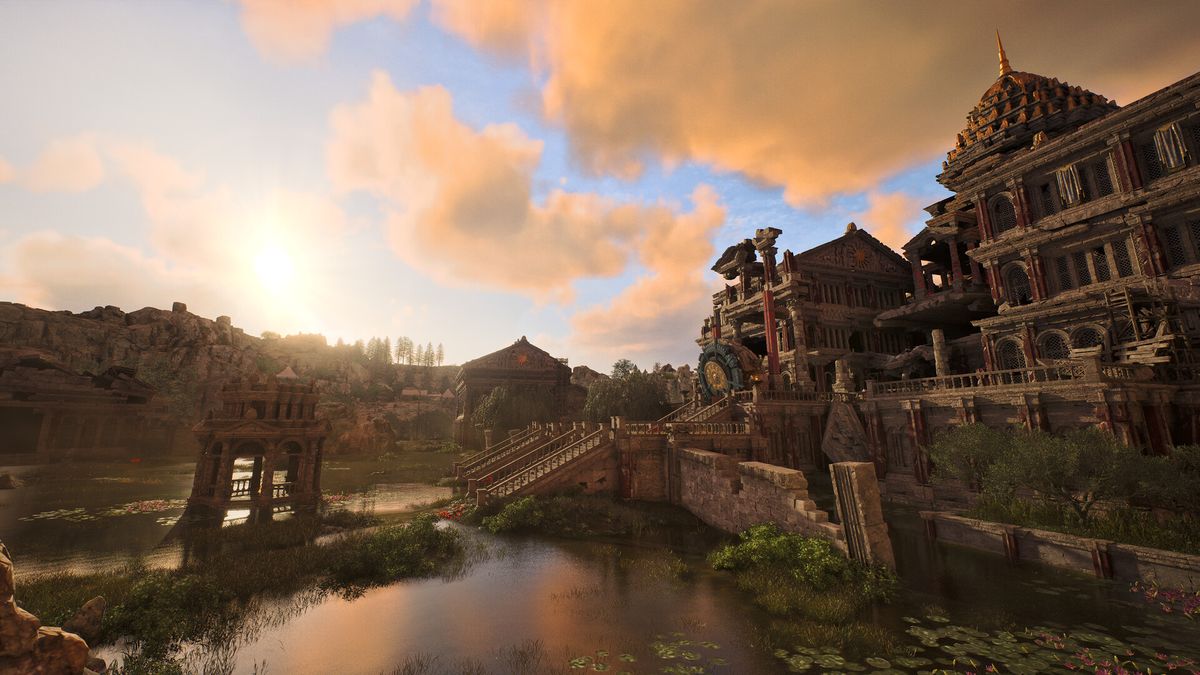
The loop
- Find tears while exploring. They sit in the open world, which means the systems that reward curiosity (points of interest, chests, off-road ruins) also feed this one.
- Carry them to a Nui statue. Statues are the same landmarks you use to switch between standard and PvP channels, so you will pass them regularly.
- Spend them. Each batch raises your maximum HP permanently.
There is no downside and no alternative use. Tears are not crafting materials and they are not currency. The only mistake is leaving them in your bag.
Why the cost rises
The first few HP increases take only a handful of tears. Each one after that takes a few more. XLGAMES described the intent directly: it is something you build over the whole journey rather than max out in an afternoon.
That curve has a practical implication for planning. Early tears are worth far more per unit than late ones, so the efficient play is to turn in everything you find as you find it, rather than saving for a big batch. A player who turns in 20 tears in the first region gets several upgrades; a player who saves 60 tears for the third region gets fewer, later, when the extra HP matters less.
| Stage | Cost pattern | What to do |
|---|---|---|
| First upgrades | A handful of tears each | Turn in immediately, every statue |
| Mid game | Noticeably more per upgrade | Keep picking tears up while questing |
| Late game | A long grind per upgrade | Treat as a background goal, not a session goal |
The other half of the statue
Nui statues are also where you switch channels. Standard channels have no open PvP; PvP channels let everyone outside your party and guild attack you. There is a cooldown on switching, so the statue is both a progression point and a commitment point. The PvP channels page covers the rules.
How much HP actually matters
In a game with no dedicated healer class, maximum HP is the resource that decides whether a mistake is recoverable. Two extra hits is the difference between learning a boss and leaving it. That is why Nui Tears are worth more than they look: they do not raise your damage, they raise the number of decisions you get to make in a fight.
They also interact with Constitution, which raises maximum HP and critical-hit resistance. The two stack: a character with Constitution investment and a healthy tear count can survive the field-boss critical that deletes a glass cannon. If you are dying in two hits, the answer is rarely "more damage".
A route that collects tears without detouring
You do not need a dedicated tear farm. Three habits cover most of it:
- Take the long way between quest hubs. The road is where the POIs are, and POIs are where tears sit.
- Check water and ruins. The demo's exploration footage leaned heavily on both.
- Turn in at every statue, even for three tears. The cost curve rewards frequency.
If you are the sort of player who beelines objectives, set a rule: one detour per quest. It costs a minute and pays in HP for the rest of the game.
What tears do not do
They do not raise damage, they do not unlock skills, and they do not replace gear. A character with 40 extra HP and no trait points is still a weak character. The three progression lanes (stats from levels, traits from Coilstones, HP from tears) are meant to be walked together. Progression sources shows how they interlock, and your first ten hours puts them in an order for a new character.